Data Patterns Connecting Interface Variations and Session Lengths in British Mobile Casino Settings
Written by Wendy Baumann · Oct 14, 2026
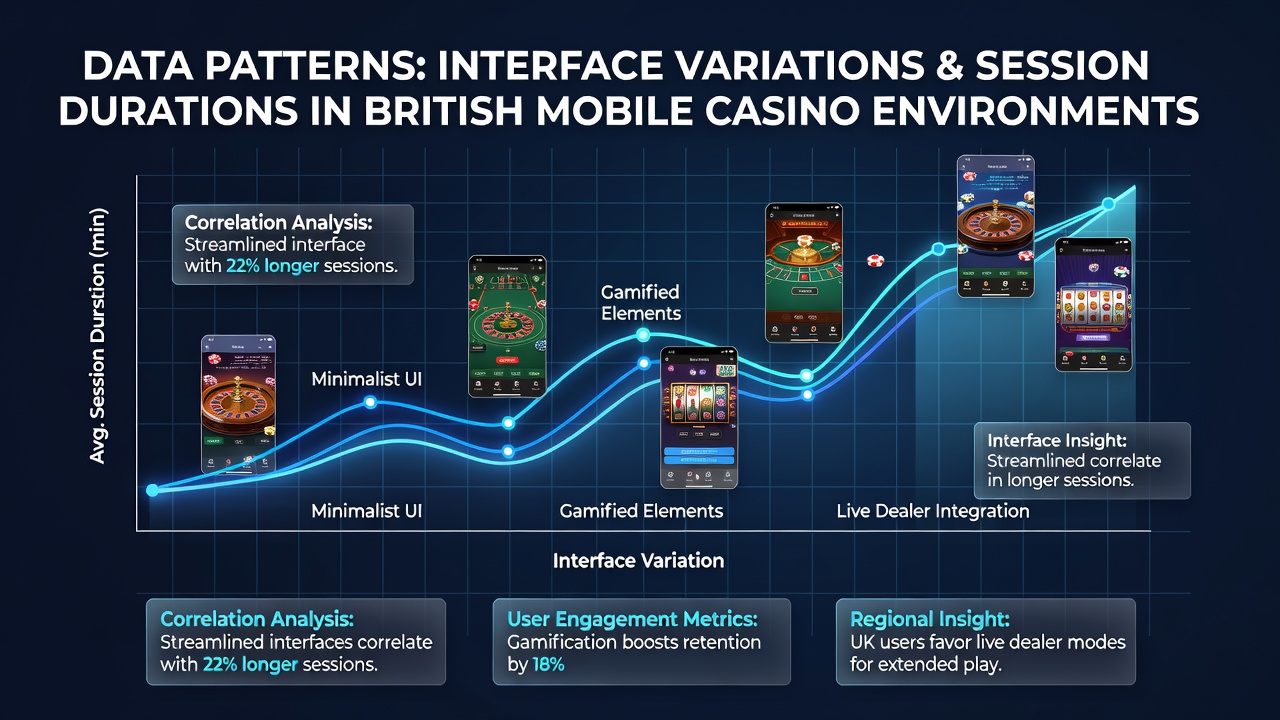
Data Patterns Connecting Interface Variations and Session Lengths in British Mobile Casino Settings
Researchers tracking mobile casino usage across Britain have identified measurable connections between interface adjustments and how long users remain engaged in sessions, with data drawn from operator logs and user interaction tracking spanning 2024 through early 2026.
Analysts at several firms compiled anonymized records covering navigation menus, color schemes, button sizing, and loading sequences, then cross-referenced those elements against session timestamps recorded on iOS and Android devices in the United Kingdom market.
Collection Methods and Scope
Teams gathered information from platforms operating under licenses issued in jurisdictions such as the Isle of Man and Malta, where reporting standards require detailed performance metrics, and they aligned findings with broader industry benchmarks released by the Nevada Gaming Control Board on similar interface testing in other regions. Observers note that sample sizes reached several hundred thousand sessions per quarter, allowing patterns to emerge across different age groups and device types without relying on self-reported surveys.
Interface elements under review included swipe-based game selectors versus tap-only designs, contrast levels in dark mode displays, and the placement of deposit prompts relative to core gameplay areas, with each variation logged against start and end times for individual user visits.
Observed Correlations in Navigation and Duration
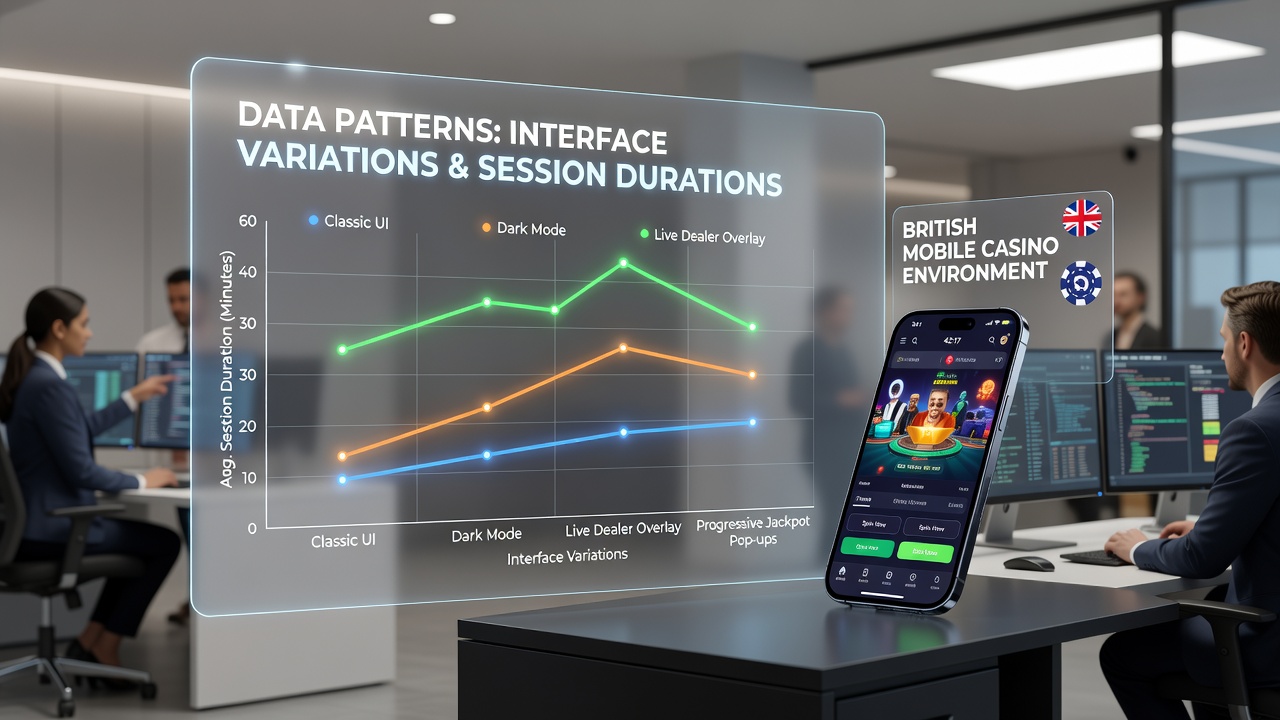
Data shows sessions extending by an average of 12 to 18 minutes when simplified swipe navigation replaced multi-tap menu trees, particularly on smaller screen sizes common in the British market where one-handed operation prevails during commutes or breaks. Color palette changes produced smaller but consistent shifts, with cooler tones linked to sustained play in evening hours while warmer palettes correlated with quicker exits during daytime use.
Button size adjustments also surfaced in the records, where larger hit zones around action controls reduced accidental navigation away from games and supported longer continuous periods before users closed the application. Those patterns held across multiple operators, though the strength of the link varied by game category with table games showing more sensitivity than slot-style offerings.
Regional and Device-Specific Trends
Comparisons with reports from the Canadian Gaming Association indicate British users respond more strongly to loading time reductions than their North American counterparts, with each second shaved from initial screen render adding measurable minutes to average visit length. Device fragmentation plays a role here as well, since older Android handsets common in certain UK demographics displayed greater gains from optimized interface scaling than newer iPhones.
October 2026 updates to several major apps incorporated these tracked adjustments, and preliminary logs already point to incremental lifts in session continuity during the autumn period when outdoor activities decline and indoor screen time rises. Researchers continue separating seasonal effects from interface-driven changes through controlled A/B rollouts that isolate single variables at a time.
Additional Variables and Controls
Network conditions and time-of-day factors received equal attention in the datasets, revealing that interface tweaks delivered their strongest effects on stable 4G or 5G connections while showing diminished returns during peak congestion periods. Age brackets also influenced outcomes, with users aged 25 to 34 demonstrating the clearest response to navigation simplifications compared with older cohorts who maintained steadier session lengths regardless of layout changes.
Cross-operator analysis further highlighted that consistent interface language across different casino brands reduced drop-off rates at the point of switching between applications, suggesting familiarity with button placement and menu flow carries over from one environment to another.
Conclusion
The accumulated figures demonstrate that targeted interface modifications produce measurable, repeatable shifts in session duration within British mobile casino environments, with navigation flow and loading performance emerging as the most influential levers according to the compiled records. Continued monitoring through 2026 and beyond will clarify how these patterns evolve alongside hardware upgrades and regulatory reporting requirements from multiple licensing bodies.